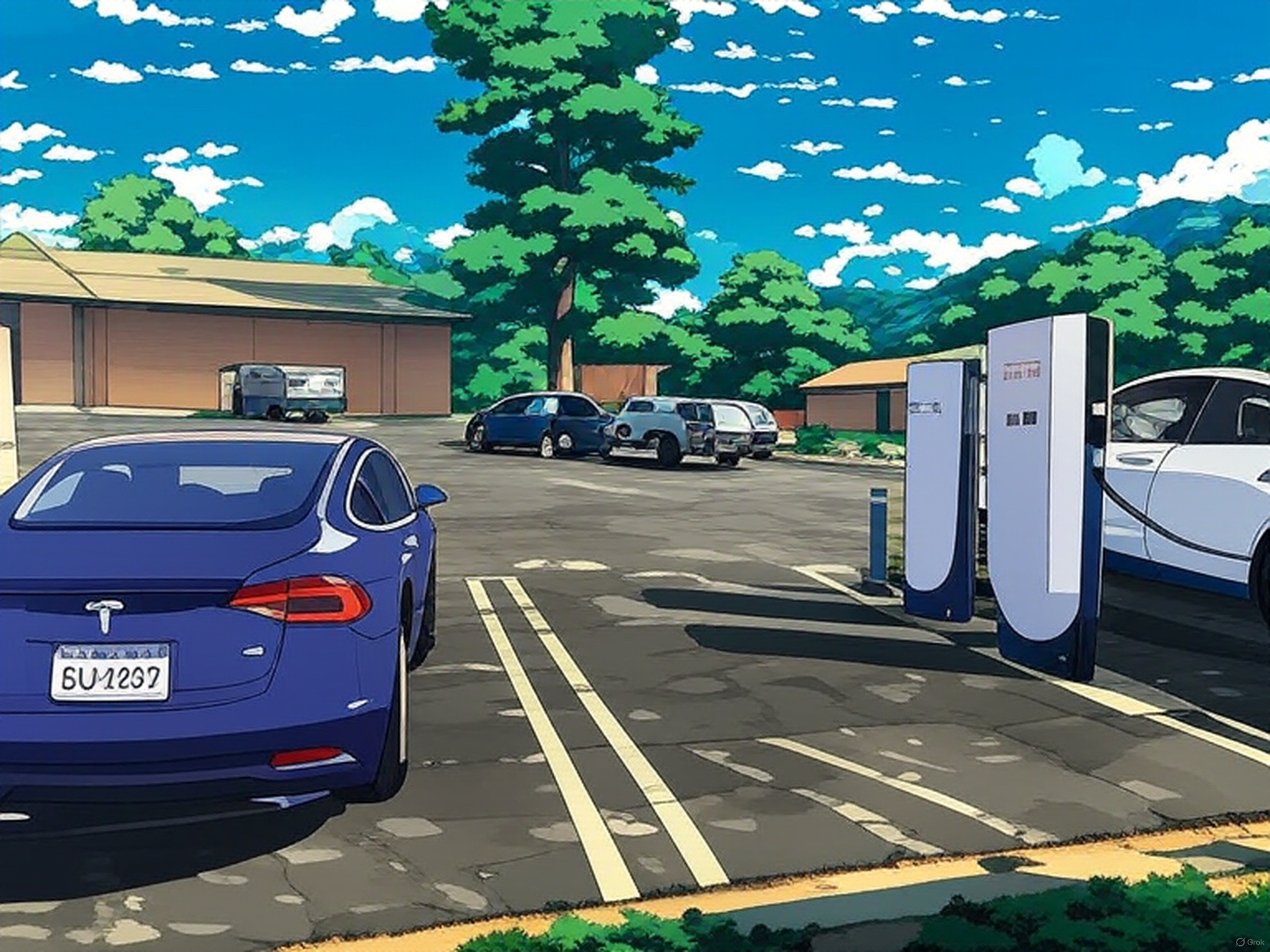
The EV Revolution Is Ahead of Schedule — Here's What That Means for You
Adoption curves are bending faster than any analyst predicted. The clean energy transition isn't coming — it's already here.
Every major energy transition in history has followed the same pattern: slow start, skepticism, then a sudden inflection point where adoption accelerates faster than anyone expected. We are at that inflection point right now.
The Numbers Don't Lie
In 2020, electric vehicles represented roughly 4% of new car sales globally. By 2025, that number had crossed 25% in many markets. In Norway, it's over 90%. China is building EV charging infrastructure faster than the US built gas stations in the 1950s.
The tipping point wasn't a single policy or a single breakthrough. It was the convergence of battery costs falling below $100/kWh, charging networks reaching critical density, and a generation of consumers who grew up caring about what their choices signal.
What This Means Practically
If you're considering an EV, the calculus has changed dramatically. Range anxiety is largely solved for most driving patterns. The total cost of ownership — factoring in fuel, maintenance, and depreciation — now favors electric in most scenarios. And the driving experience? Uniformly described as better by people who make the switch.
The Bigger Picture
Transportation accounts for roughly 29% of US greenhouse gas emissions. The electrification of the vehicle fleet is the single largest lever available to individuals who want their choices to matter at scale. This isn't sacrifice — it's an upgrade that happens to be good for the planet.
The revolution didn't wait for permission. It just arrived.


Enjoyed this article?
Get weekly stories on emotional wellness, clean energy, and positive living — straight to your inbox.